
FAQs
Texas Highlands Electric FAQs
Texas Highlands Electric provides residential and commercial electrical service across the Texas Hill Country and surrounding areas, including Bexar County, Kendall County, Kerr County, Bandera County, and Gillespie County, Texas. We know a lot of people hesitate to hire an electrician because they’ve dealt with unclear pricing, poor communication, or work that didn’t hold up. Our team is committed to a better experience with honest answers, clear expectations, and follow-through from estimate to completion. This FAQ hub covers common questions about estimates, scheduling, timelines, permits, and what to expect, with dedicated service FAQ pages available for deeper, service-specific details.
Service FAQ Topics
Each service below links to a dedicated FAQ page with detailed questions and answers for that specific type of work. If you’re still deciding what you need, the general FAQs on this page cover estimates, timelines, permits, and what to expect before a project starts.
Troubleshooting & Repairs FAQs
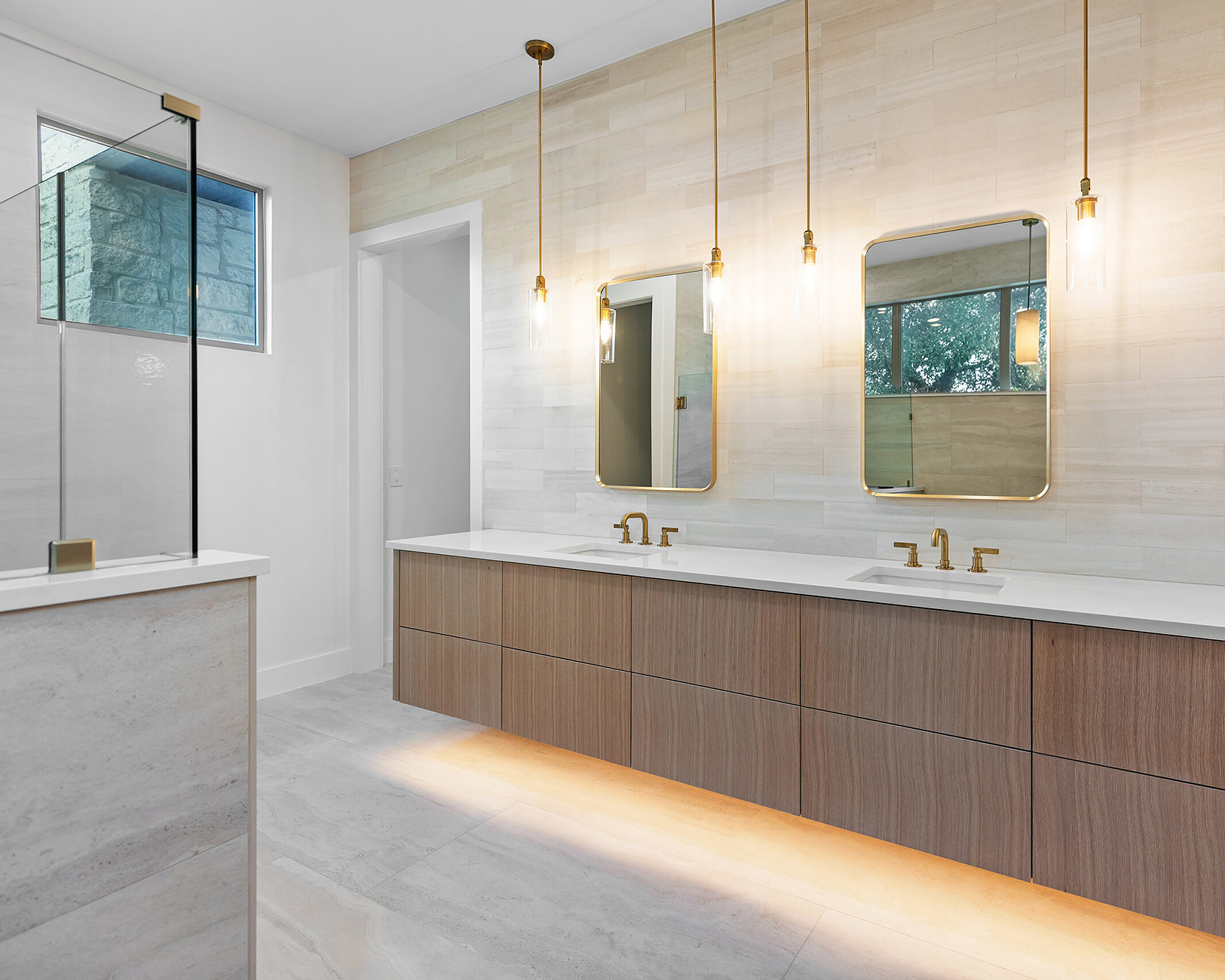
Covers common electrical problems like tripping breakers, flickering lights, dead outlets, burning smells, and intermittent power. Learn what diagnostics involve, what typically causes the issue, and when a repair becomes a safety priority.
Lighting & Fans FAQs
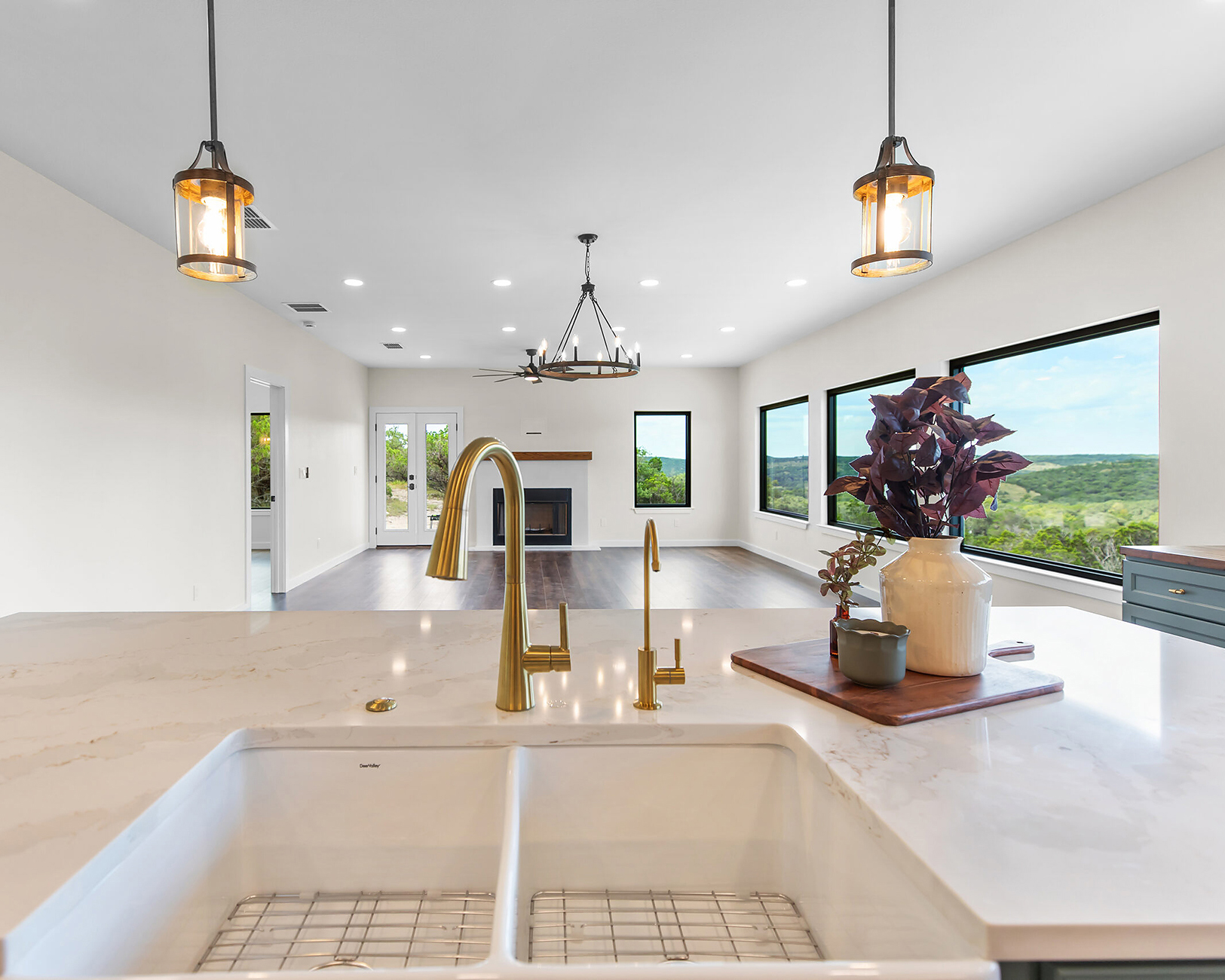
Answers questions about recessed lighting, outdoor lighting, dimmers, fan-rated boxes, switch wiring, and fixture upgrades. Includes planning tips to avoid uneven lighting, noise issues, and compatibility problems with LEDs and controls.

Panel Service & Upgrades FAQs
Explains when you may need a panel upgrade, breaker replacement, service change, or capacity increase for remodels and new equipment. Covers what inspectors commonly look for and what can affect project timeline.
Construction & Remodel Wiring FAQs
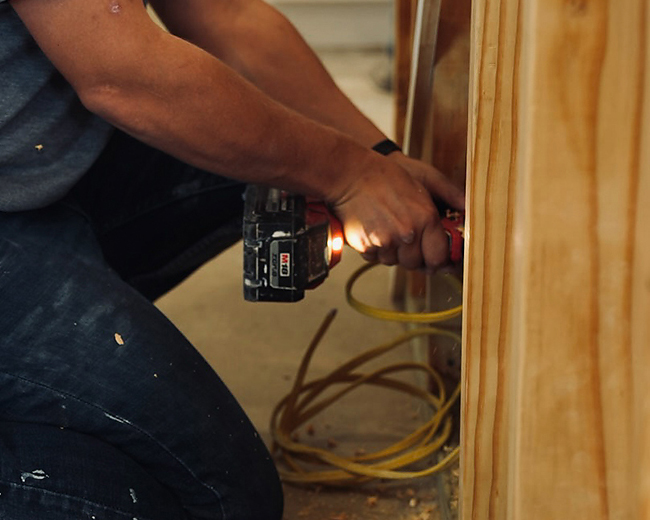
For remodels and new builds: rough-in vs trim-out timing, outlet and lighting layouts, dedicated circuits, and inspection sequencing. Helps builders and homeowners reduce change orders and prevent delays during construction.

Home Automation & Controls FAQs
Covers smart switches, dimmers, occupancy sensors, multi-way switching, and whole-home control wiring. Learn what matters most for reliability: wiring type, neutral requirements, device compatibility, and how to plan controls by room.
EV Charger Installation FAQs
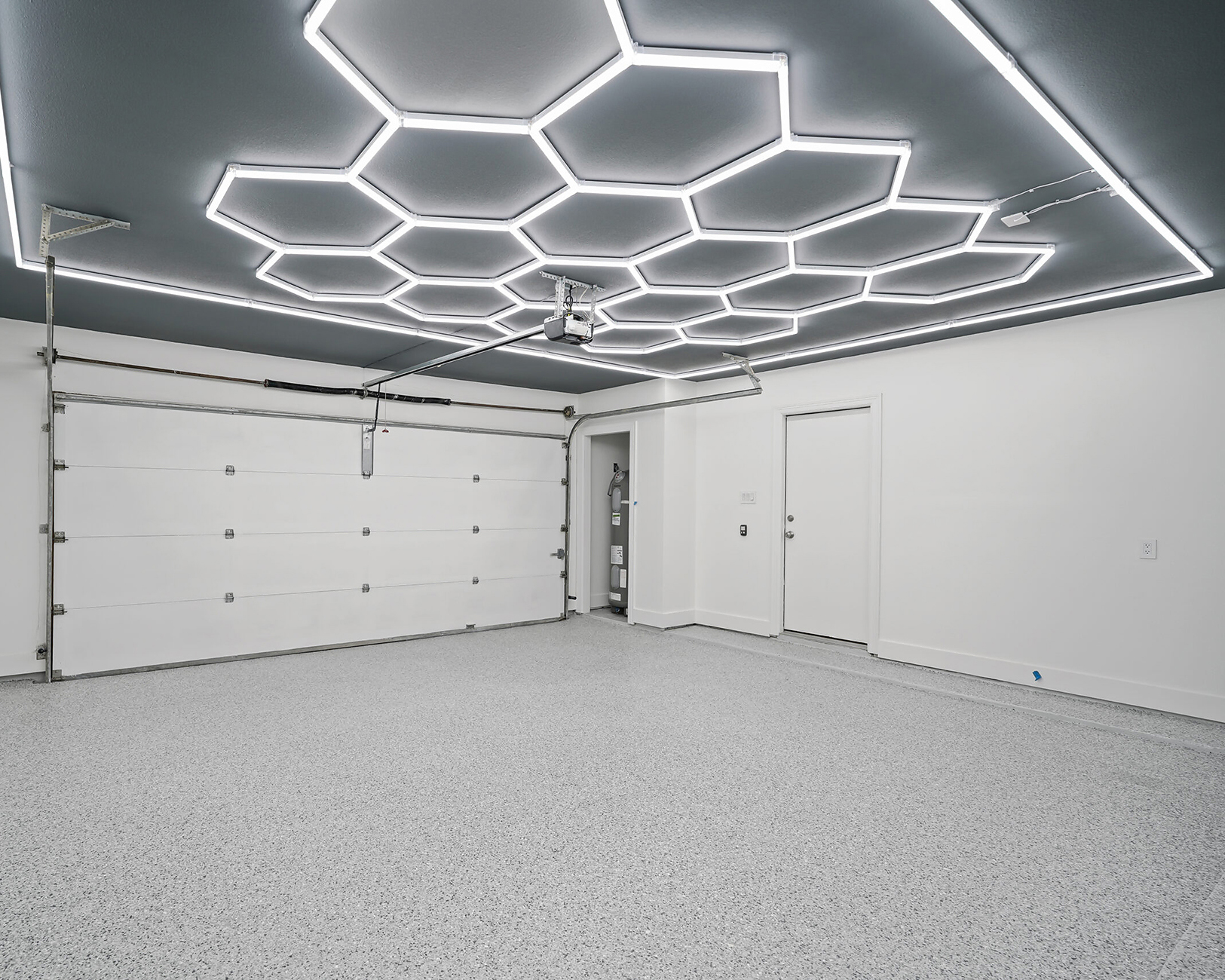
Answers questions about Level 2 chargers, amperage, panel capacity, load considerations, garage vs outdoor placement, and breaker sizing. Includes what typically determines whether you need electrical upgrades before installing a charger.
Generator Installation FAQs
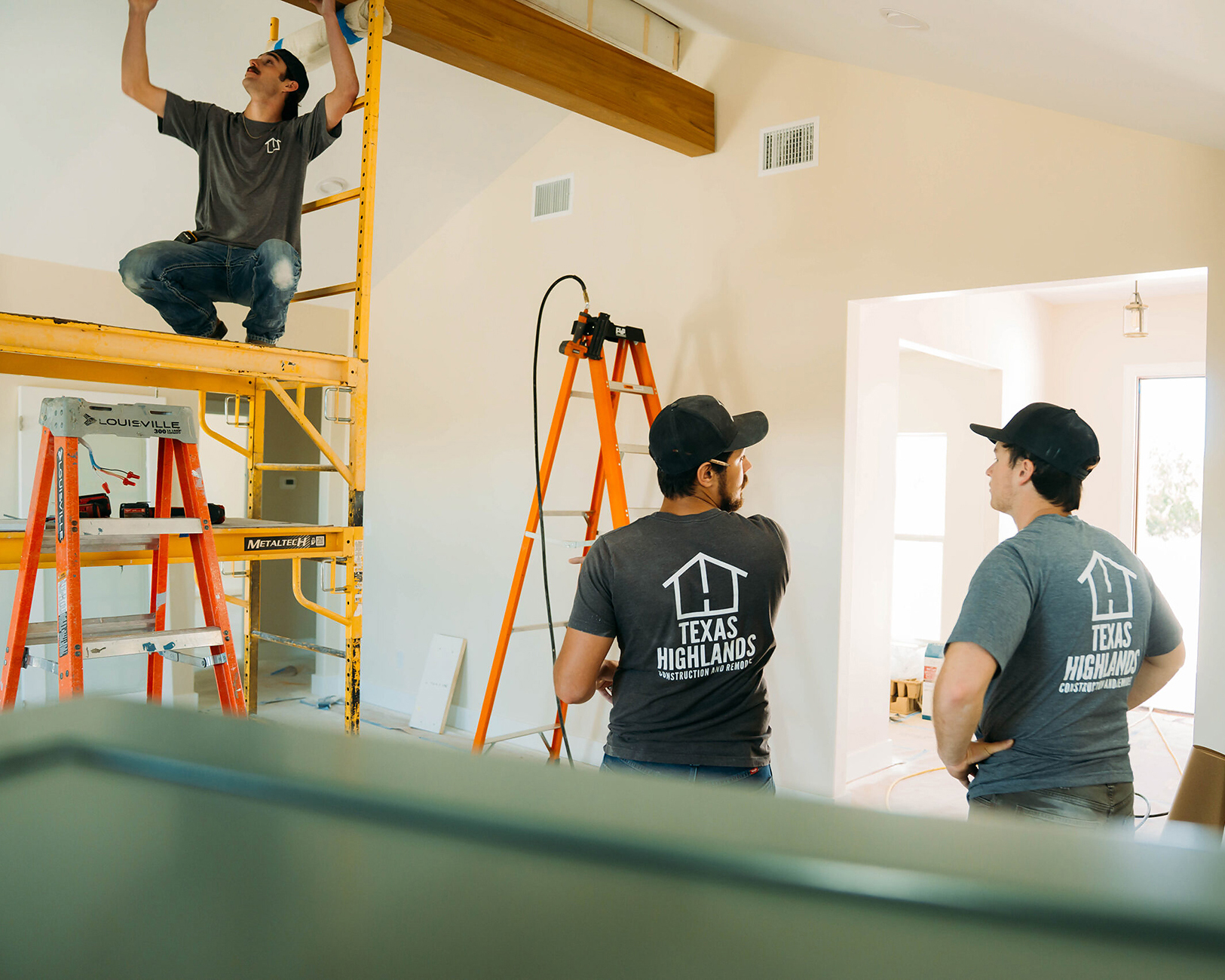
Explains transfer switches, interlock options, critical-load planning, and what circuits are typically backed up. Covers coordination details that affect timeline, like equipment placement and site readiness.
Solar Installation FAQs
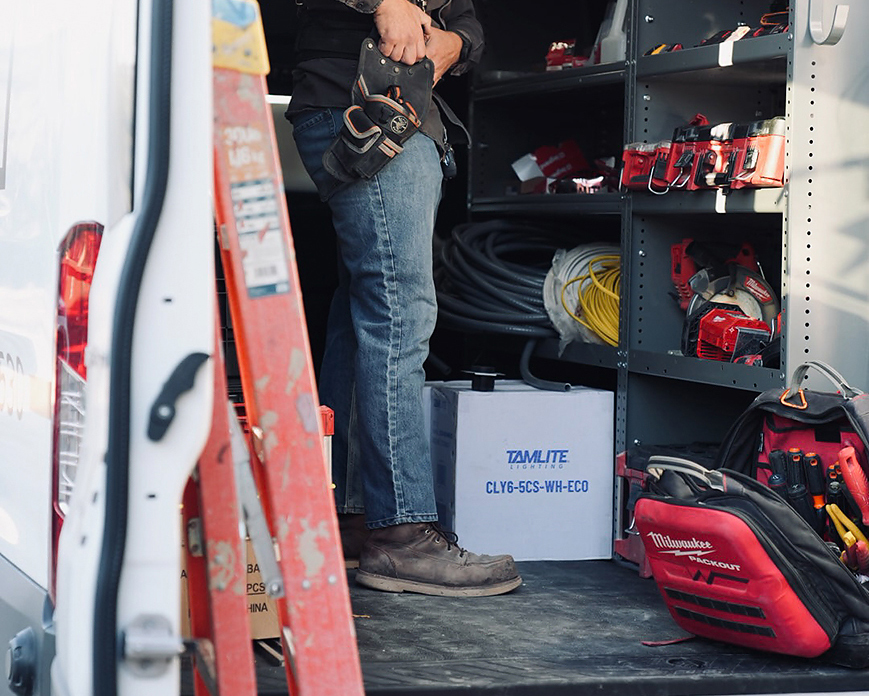
Covers electrical requirements for solar, including service equipment review, panel capacity, disconnects, and interconnection considerations. Helps you understand what may need to be updated before solar can be safely tied in.
Commercial Electrical Services FAQs
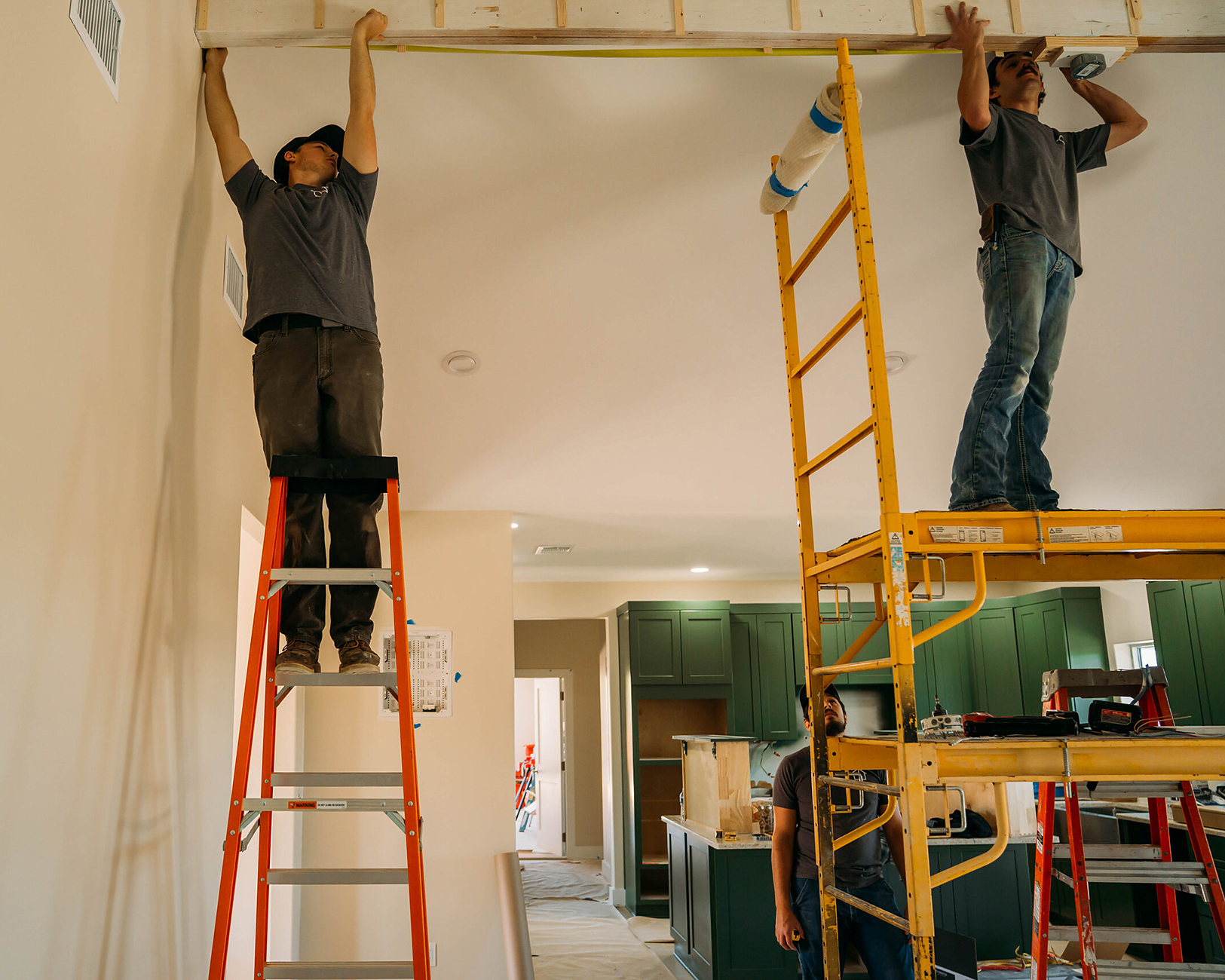
Addresses commercial questions like tenant build-outs, lighting retrofits, service upgrades, equipment circuits, scheduling around business hours, and minimizing downtime. Focused on planning scope and execution for property managers and businesses.
General Contracting FAQs
How do estimates work?
Most projects require an on-site evaluation so the scope is based on the actual electrical system, access conditions, and what the job involves. After the evaluation, you should receive a clear scope of work and next steps.
Can you provide pricing over the phone?
Some small, clearly defined jobs may allow a rough range. For accuracy on most projects, pricing is best provided after an on-site evaluation.
What areas do you serve?
Texas Highlands Electric serves Texas Hill Country and surrounding areas, including Bexar County, Kendall County, Kerr County, Bandera County, and Gillespie County, Texas.
Do I need a permit?
Permit requirements depend on the type and scope of work and the local jurisdiction. During the estimate process, confirm what applies for the specific project location.
How long will my project take?
Timelines vary based on scope, access, materials, and inspection scheduling when applicable. The estimate should include an expected schedule based on the defined scope.
Will my power need to be shut off?
Some projects require a planned shutdown for safety, especially when work involves service equipment, panels, or critical circuits. If a shutdown is needed, it should be scheduled and communicated in advance.
What should I expect during the on-site evaluation?
Expect a review of the issue or project area, a check of service equipment as needed, and questions about how the space is used. The goal is to define scope, identify constraints, and set expectations for timeline and next steps.
Can you coordinate with other trades for remodels or construction?
Yes. Electrical work typically requires coordination around access and sequencing (rough-in, inspections if applicable, then trim-out). Planning early helps reduce delays and rework.
How can I reduce delays or change orders?
Define fixture selections, outlet/switch locations, and any future needs early in the project. Changes late in the process often increase labor and can impact scheduling.
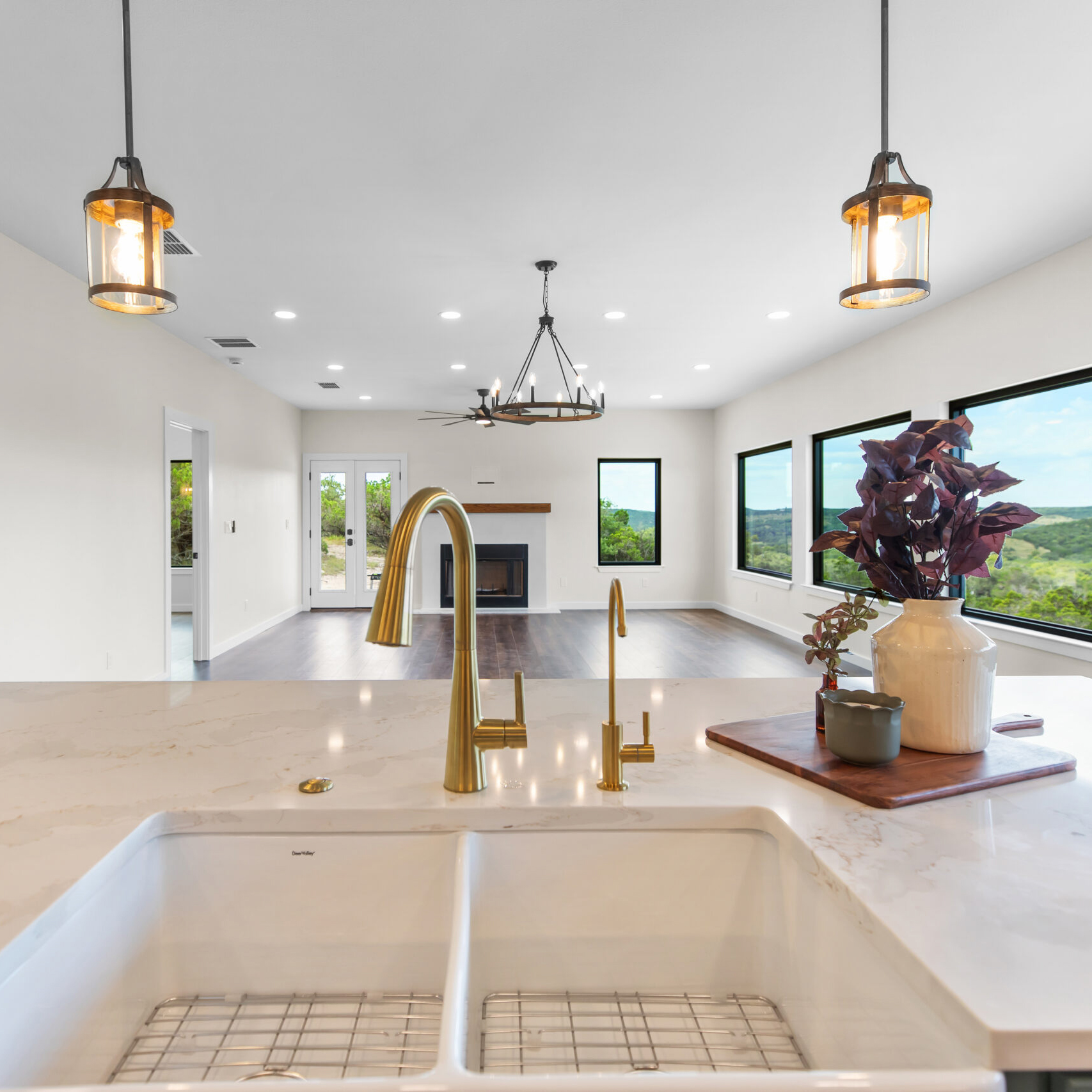
Trusted Electrical Work in the Texas Hill Country
Texas Highlands Electric helps homeowners, builders, and property managers across the Texas Hill Country, including Bexar, Kendall, Kerr, Bandera, and Gillespie County, with electrical work that starts with real troubleshooting and a clearly defined scope. Before work begins, you get straightforward expectations on what’s included, what can affect cost or timeline (like access, concealed wiring, panel capacity, and inspections), and which option makes the most sense for the property, whether it’s a repair, panel upgrade, lighting update, EV charger, generator, solar tie-in, or commercial project.
Get an Estimate
To schedule an evaluation or request an estimate, call Texas Highlands Electric at (830) 431-4530.