
Texas Hill Country
Home Automation & Controls FAQs
Texas Highlands Electric provides Home Automation & Controls across the Texas Hill Country, including Bexar County, Kendall County, Kerr County, Bandera County, and Gillespie County, Texas. If you’re adding smart switches, dimmers, lighting scenes, occupancy sensors, or whole-home control, this page explains what affects compatibility, wiring requirements, and long-term reliability.
Home Automation & Controls Questions
What counts as “home automation” for electrical work?
Home automation typically includes smart switches and dimmers, lighting controls, occupancy and vacancy sensors, smart fan controls, smart outlets in select use cases, and systems that coordinate multiple lights or devices into scenes. The electrical side is making sure the devices are wired correctly and compatible with the lighting load.
Do smart switches require a neutral wire?
Many smart switches do require a neutral wire in the switch box, but not all. Whether a neutral is available depends on how the home was wired and which box you’re working in. A site evaluation confirms what’s present and which device options will work reliably.
Can I use smart dimmers with LED lights?
Usually, yes, but dimmer and bulb compatibility matters. Many flicker, buzzing, and dropout issues come from mismatched dimmers or poor-quality LED drivers. Selecting compatible devices and verifying wiring connections usually resolves these problems.
Why do smart switches disconnect from Wi-Fi or stop responding?
Most reliability issues are caused by weak Wi-Fi coverage, device compatibility, incorrect wiring, or overloaded networks. Electrical troubleshooting can confirm wiring and device setup, but stable control also depends on network coverage where the devices are installed.
Can you install smart switches on three-way or four-way switches?
Often, yes, but multi-way switching has wiring differences that need to be handled correctly. The best approach depends on the device type and how the existing switches are wired. A site evaluation helps avoid devices that won’t work with the current configuration.
Can I control a ceiling fan with a smart switch?
Sometimes. It depends on whether the fan has a separate light, whether it uses a remote receiver, and whether the wiring supports the control method you want. Fan-rated control devices and correct wiring are key for safe, stable operation.
What are lighting scenes and how do they work?
Scenes allow multiple lights to be controlled together with one action, such as Kitchen On, Evening, or All Off. The setup depends on device compatibility and how the lighting circuits are grouped. A good plan prevents inconsistent behavior and reduces app clutter.
Do occupancy sensors and smart controls work in older homes?
Often they do, but older wiring layouts may limit device options, especially if neutral wires are not present in certain boxes. The best approach is to evaluate the wiring and choose devices that work with what’s installed, rather than forcing a device that isn’t compatible.
What’s the difference between smart switches and smart bulbs?
Smart switches control power at the switch, while smart bulbs keep power at the fixture and use the bulb’s electronics for control. Many homeowners prefer smart switches for consistent wall control, especially in shared spaces, while smart bulbs can make sense for certain fixtures or accent lighting.
Will home automation require new wiring?
Sometimes. Many upgrades can be done using existing wiring, but some projects require changes for reliable control, adding neutrals, improving multi-way switching setups, or separating fan and light control. The need for wiring changes depends on the home’s existing configuration and the control goals.
Do home automation projects require permits?
Most device swaps do not require permits, but permit requirements can vary by jurisdiction and scope, especially if circuits are being added or modified. This should be confirmed during the estimate.
How long does it take to install smart switches and controls?
Small groups of device replacements can often be completed in one visit. Larger automation projects take longer when there are many devices, multi-way switching locations, or wiring changes needed for compatibility. Timeline depends on scope and access.
What should I do before scheduling a home automation install?
List the rooms you want to control, what you want each control to do, and whether you want app control, voice control, or simple smart scheduling. If you’ve already purchased devices, have the model list available so compatibility can be verified before install.
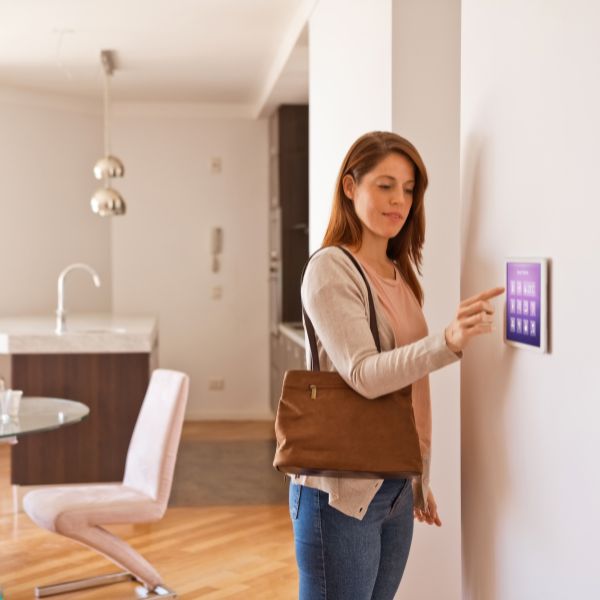
Why Texas Hill Country Homeowners Use Texas Highlands Electric for Home Automation
Home automation works best when the electrical system and the control plan match. Texas Highlands Electric focuses on correct device selection, proper wiring, and clear expectations on what’s possible with the existing switch boxes and circuits. The goal is reliable everyday control without flicker, buzzing, inconsistent behavior, or devices that stop responding because the setup wasn’t planned around the home’s wiring and network realities.
Related Electrical Services
Lighting & Fans FAQs
If your automation goals include dimming, lighting upgrades, or fan control, lighting and fan wiring often ties directly into smart device compatibility.
Troubleshooting & Repairs FAQs
If you’re dealing with flicker, tripping, dead switches, or unreliable circuits, troubleshooting can identify issues before smart controls are installed.
Panel Service & Upgrades FAQs
If your home is adding multiple new loads or circuits along with automation, capacity and breaker space may need review.
Related Pages
Texas Highlands Electric FAQs
View general questions on estimates, scheduling, permits, and service areas.
Home Automation & Controls
Learn what matters most for reliability: wiring type, neutral requirements, device compatibility, and how to plan controls by room.