
Texas Hill Country
Electrical Panel Upgrade FAQs
Texas Highlands Electric provides panel service, breaker replacement, and electrical panel upgrades across the Texas Hill Country, including Bexar County, Kendall County, Kerr County, Bandera County, and Gillespie County, Texas. If you’re seeing frequent breaker trips, heat at the panel, limited breaker space, buzzing, or you’re adding major new loads like an EV charger, generator, or remodel, this page explains what panel work involves and what to expect.
Panel Service & Upgrades Questions
How do I know if I need a panel upgrade?
A panel upgrade is recommended when the service equipment can’t reliably support the property’s electrical demand or shows signs of damage. Common triggers include a full panel with no breaker space, repeated breaker trips, overheating, corrosion, buzzing, or planned additions like an EV charger, new HVAC, or a remodel that requires new circuits.
What’s the difference between a panel upgrade and a breaker replacement?
A breaker replacement fixes one failed or weak breaker. A panel upgrade replaces or modernizes the service equipment to improve capacity, safety, and long-term reliability. If the panel is worn, undersized, or has recurring issues, replacing individual breakers may not solve the root problem.
What are common signs of a failing electrical panel?
Common signs include breakers that trip repeatedly, breakers that won’t reset, buzzing sounds, visible corrosion, scorch marks, heat at breakers, and widespread flickering or dimming tied to load changes. An on-site evaluation confirms whether the issue is repairable or points to service equipment replacement.
Why do breakers trip even when nothing big is running?
Breaker trips can be caused by overload, a short or ground fault, a failing breaker, or a loose connection creating heat and instability. Many homes also have circuits that feed multiple rooms or outlets, so the load is higher than it appears. Troubleshooting determines whether the trip is a circuit issue or a panel protection issue.
Why is my breaker panel buzzing?
Buzzing can indicate a loose connection, a failing breaker, or arcing in the panel. It should be checked promptly, especially if it’s new, loud, or paired with heat, odor, or repeated tripping.
What does it mean if a breaker feels hot or the panel smells like burning?
A hot breaker or burning smell can indicate a failing connection, overheating, or arcing and should be treated as urgent. If it’s safe to do so, turn off the affected circuit and schedule service. Heat and odor are warning signs that can worsen quickly.
What does it mean if only part of the house loses power?
Partial power loss can be caused by a breaker or connection issue, or a problem tied to service equipment. If multiple rooms are affected or power behaves inconsistently, avoid repeatedly cycling breakers and schedule troubleshooting to locate the cause.
Will my power be off during a panel upgrade?
Yes. Panel work requires shutting down power for safety. Your estimate should include an expected outage window so you can plan for refrigeration, home offices, and business operations.
How long does a panel upgrade take?
Many panel upgrades can be completed in a day once the scope is confirmed. Timeline can vary based on access, equipment availability, and permit or inspection scheduling where required. The estimate should set expectations for work time and downtime.
Do panel upgrades require permits and inspections?
Often, yes, but requirements depend on local jurisdiction and scope. Confirm permit and inspection requirements during the estimate so the project timeline is clear.
What’s the difference between 100 amp and 200 amp service?
100 amp service may be sufficient for smaller homes with limited electrical demand, while 200 amp service is common for homes with larger loads and modern upgrades. The correct service size depends on existing demand and what you plan to add to the property.
How do I know if my panel has enough capacity for an EV charger, generator, or remodel?
Capacity depends on your current electrical demand, service size, available breaker space, and how loads are distributed across circuits. A site evaluation reviews existing conditions and planned loads so the system can support new equipment reliably.
How much does it cost to upgrade from 100 amp to 200 amp service?
Cost depends on the existing service equipment, wiring condition, access, required parts, and local permit and inspection requirements. Accurate pricing comes from an on-site evaluation so the scope is defined before work begins.
How much does a panel upgrade cost?
Panel upgrade cost depends on service size, existing equipment condition, access, and what must be updated to meet the project scope and local requirements. The best way to avoid surprises is defining scope during the evaluation.
What typically affects panel upgrade cost:
-
Service size and equipment type
-
Existing panel condition and wiring layout
-
Access to the panel and service equipment
-
Permit and inspection requirements (as applicable)
-
Additional repairs discovered during evaluation
Can you add breakers if my panel is full?
Sometimes there are options, but a full panel usually means you need a plan. Depending on capacity and condition, solutions may include reorganizing circuits, adding a subpanel, or upgrading the main panel. The right approach depends on what loads you’re adding and how the system is performing.
Can I add a subpanel instead of upgrading my main panel?
Sometimes. A subpanel can add circuit space, but it doesn’t automatically solve capacity limits. The right choice depends on available service capacity, panel condition, and what new loads you’re adding.
Can a panel upgrade help with flickering lights or power instability?
Sometimes. Flicker and instability can come from service equipment issues, but they can also be caused by circuit-level problems. Troubleshooting confirms whether the fix is panel-related or located elsewhere in the wiring or devices.
What should I do before an on-site evaluation for panel work?
Clear access to the panel and note any symptoms, including how often breakers trip, which areas are affected, and whether you’ve noticed heat, odor, buzzing, flickering, or partial power loss. If you’re planning new loads, list them so the evaluation matches your goals for the property.
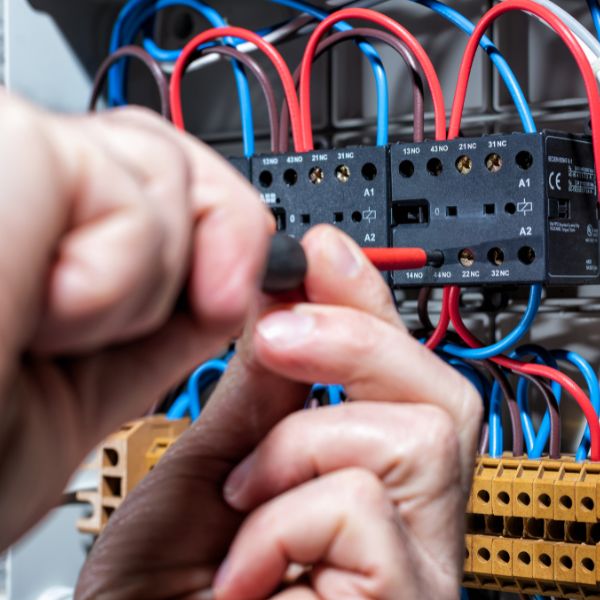
Why Texas Hill Country Property Owners Choose Texas Highlands Electric for Panel Work
Electrical panel work affects the entire property, so clear scope and safe workmanship matter. Texas Highlands Electric focuses on verified evaluation, straightforward recommendations, and realistic expectations for downtime, access needs, and any permit or inspection steps that may apply. The goal is a service setup that supports current demand, accommodates planned upgrades, and reduces recurring problems like nuisance tripping, unreliable circuits, and power instability tied to load changes.
Related Electrical Services
EV Charger Installation FAQs
EV charging often requires confirming capacity, breaker space, and load planning before installation.
Troubleshooting & Repairs FAQs
If you’re seeing tripping, flickering, dead circuits, or intermittent power, troubleshooting confirms whether the issue is at the panel or within the circuit.
Generator Installation FAQs
Generator installs typically involve service equipment review and transfer equipment planning that ties into the panel setup.
Related Pages
Texas Highlands Electric FAQs
View general questions on estimates, scheduling, permits, and service areas.
Panel Service & Upgrades
Learn about panel replacement, upgrades, and scheduling an on-site evaluation.
What to Do Next
If you’re dealing with frequent breaker trips, a full panel, heat or buzzing at the panel, or you’re planning new electrical loads, call Texas Highlands Electric at (830) 431-4530 to schedule an on-site evaluation and get a clear scope and timeline.