
Texas Hill Country
Solar Installation FAQs
Texas Highlands Electric supports homeowners and property managers across the Texas Hill Country, including Bexar County, Kendall County, Kerr County, Bandera County, and Gillespie County, Texas, with electrical planning and service work that solar projects often require. This page explains the electrical side of solar installs, including service equipment readiness, panel capacity, permit and inspection steps, and common issues that can delay a project.
Solar Installation Questions
What does “solar installation” include on the electrical side?
Solar isn’t just panels on a roof. The electrical scope often includes reviewing the service equipment, confirming panel capacity, planning the interconnection point, and completing required electrical upgrades so the system can be safely tied into the home. The exact scope depends on your existing service equipment and the system design.
Do I need to upgrade my electrical panel before installing solar?
Not always, but some homes do. Solar may require enough breaker space, correct panel condition, and service equipment that meets current requirements. If the panel is full, outdated, damaged, or not suited for the planned system, Panel Service & Upgrades may be needed before solar can move forward.
How do you know if my home is ready for solar?
Readiness usually comes down to the condition and capacity of the electrical service equipment. A solar-ready setup typically has adequate capacity, clear labeling, safe connections, and a panel configuration that supports the solar interconnection plan. An on-site evaluation is the best way to confirm what’s needed before installation.
What is a solar interconnection?
Interconnection is how the solar system ties into your electrical service and the utility requirements around that connection. The details depend on system design and local requirements, and it’s one of the main reasons the existing electrical setup has to be reviewed early.
Will solar reduce my electric bill to zero?
That depends on system size, energy use patterns, utility rates, and whether the system is designed to cover most or only part of your usage. The electrical contractor’s role is ensuring the solar system connects safely and correctly, not promising a specific bill outcome.
Do solar projects require permits and inspections?
Often, yes. Solar work commonly involves permits and inspections, but the exact process depends on jurisdiction and project scope. Permit and inspection requirements should be confirmed early so scheduling expectations are realistic.
How long does the electrical portion of a solar project take?
Timeline depends on what the home needs. If the service equipment is already ready, the electrical tie-in can be straightforward. If upgrades are required, or if inspection scheduling affects the timeline, the project may take longer. The estimate should outline expected staging and any dependencies.
Can solar be installed if my panel is full?
Sometimes, but it depends on the system design and the condition of the service equipment. A full panel often means you need a plan, not a workaround. Options may include reorganizing circuits, adding distribution, or upgrading the panel, depending on capacity and performance.
What is a disconnect and do I need one?
Some solar systems require disconnect equipment depending on jurisdiction, system design, and inspection requirements. The correct setup should be confirmed as part of planning so the installation matches local expectations.
Can solar be added during a remodel or new construction?
Yes, and planning it early usually helps. If solar is part of a remodel or new build, it’s easier to coordinate service equipment, routing, and panel configuration while access is open. This often reduces change orders and avoids last-minute modifications.
What issues commonly delay solar projects?
Delays often come from service equipment that needs upgrades, limited breaker space, older or damaged panels, access constraints, and permit or inspection scheduling. Confirming electrical readiness early reduces surprises later.
Can you help with battery backup or generator planning with solar?
Solar planning can be coordinated with backup goals, but the right setup depends on what you want powered during outages and how the system is designed. If backup power is part of your plan, it helps to consider it early so service equipment and load priorities are aligned.
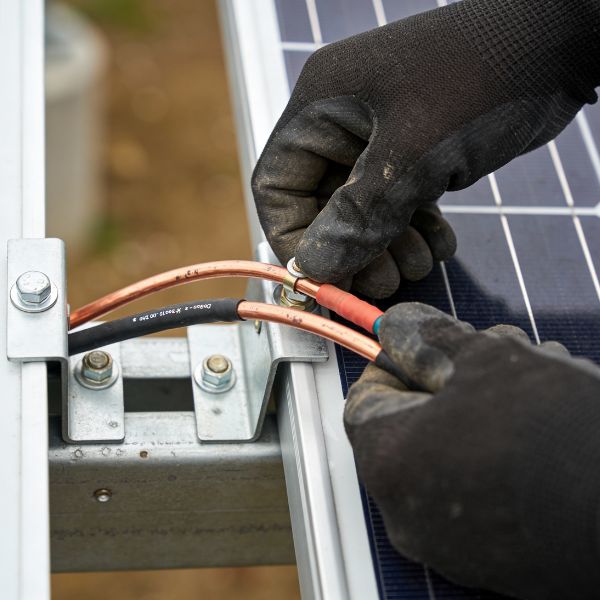
Why Texas Hill Country Property Owners Use Texas Highlands Electric for Solar Readiness
Solar projects go smoother when the electrical side is evaluated early and the scope is clearly defined. Texas Highlands Electric focuses on confirming service equipment readiness, setting clear expectations on any panel or service upgrades that may be needed, and planning around permit and inspection steps that can affect timeline. The goal is a solar tie-in that meets requirements, operates safely, and avoids delays caused by electrical issues discovered late in the process.
Related Electrical Services
Panel Service & Upgrades FAQs
Remodels often increase circuit count and load, and panel capacity should be confirmed early.
Lighting & Fans FAQs
Lighting layout and fixture planning is often part of remodel wiring scope.
Home Automation & Controls FAQs
Remodels are a good time to add smart switches, dimming, and control wiring with clean access.
Related Pages
Texas Highlands Electric FAQs
View general questions on estimates, scheduling, permits, and service areas.
Solar Installation
Adding or reinstalling solar panels requires precise electrical work to ensure your system operates safely and efficiently. At Texas Highlands Electric, we provide expert electrical services for solar installations, helping homeowners and businesses connect panels, inverters, and circuits correctly.
What to Do Next
If you’re planning solar and want to confirm your panel and service equipment are ready, call Texas Highlands Electric at (830) 431-4530 to schedule an on-site evaluation and get a clear scope and timeline.