
Texas Hill Country
Lighting & Ceiling Fan FAQs
Texas Highlands Electric handles lighting and ceiling fan installation, upgrades, and repairs across the Texas Hill Country, including Bexar County, Kendall County, Kerr County, Bandera County, and Gillespie County, Texas. If you’re planning recessed lighting, replacing fixtures, adding dimmers, installing a ceiling fan, or dealing with flickering lights, this page covers what affects scope, timeline, and results.
Lighting & Fan Services We Handle
Most calls fall into a few categories:
-
Recessed lighting layouts and retrofits
-
Fixture replacements and lighting upgrades
-
LED dimmer switch installs and compatibility fixes
-
Ceiling fan installs and fan-rated box replacements
-
Outdoor lighting and security lighting installs

Common Lighting & Fan Questions
Can you install recessed lighting in an existing ceiling?
Yes, in many homes. Feasibility depends on attic access, ceiling type, insulation conditions, and whether wiring can be routed cleanly without excessive drywall work. The layout matters just as much as the install, because spacing and placement determine how even the light looks in the finished room.
How many recessed lights do I need in a room?
The right number depends on room size, ceiling height, and how the space is used. Kitchens, offices, and work areas usually need more focused task lighting, while living rooms often benefit from balanced ambient lighting with dimmer control. A simple layout plan prevents dark corners and harsh glare.
What’s the difference between canless recessed lights and traditional recessed cans?
Canless recessed lights typically mount directly and can be easier to install when space is limited. Traditional recessed cans may offer different trim options and serviceability depending on the product. The best choice depends on clearance, insulation rating needs, desired light output, and the look you want.
Can I put a dimmer on LED lights?
Usually, yes, but the dimmer and bulbs must be compatible. Many flicker and buzzing problems happen when an LED driver and dimmer don’t match, or when the dimmer isn’t rated for the type of LED load. The correct dimmer and a quick wiring check usually solve it.
Why do LED lights flicker or buzz?
LED flicker and buzzing are most often caused by dimmer compatibility, bulb quality, or a connection issue at the switch or fixture. If flicker happens across multiple rooms, changes when large appliances run, or you see dimming throughout the home, troubleshooting should include checking circuit connections and load behavior.
Is flickering a sign of a wiring problem?
Sometimes. A single fixture flickering can be a bulb, dimmer, or fixture connection issue. Flicker across several areas, frequent dimming, or inconsistent power symptoms can point to a circuit or neutral problem that should be tested.
Can you install a ceiling fan where there’s currently a light fixture?
Sometimes, but the mounting is the deciding factor. A ceiling fan should be secured to a fan-rated electrical box and proper support. If the existing box is not fan-rated, it usually needs to be replaced for a safe install.
Do I need a special switch for a ceiling fan?
Not always. A basic on/off fan can run from a standard switch, but fan speed controls, separate fan/light control, smart controls, and multi-way switching require the right devices and wiring. If the fan uses a remote receiver, that also affects the best control setup.
Can you add a second switch so the fan and light are controlled separately?
Often, yes. It depends on whether the wiring between the switch box and the fan location supports separate conductors for fan and light control. A site evaluation confirms what’s possible without opening walls and what options exist if access is limited.
Why does my ceiling fan wobble?
Wobble is commonly caused by blade imbalance, improper mounting, or a box/support that isn’t rigid enough. If the wobble is significant, the fan should be checked. Proper mounting and a fan-rated box are key for stability.
Can you install outdoor lighting and security lights?
Yes. Outdoor lighting requires weather-rated fixtures, safe routing, and appropriate protection. Placement should be planned for coverage and glare control so you get visibility where you need it without harsh light pointed into windows.
Do lighting projects require permits?
Some simple fixture swaps may not require permits, while new circuits, significant rewiring, or certain exterior work may, depending on scope and local jurisdiction. The best way to handle this is confirming requirements during the estimate based on the work and location.
How long does recessed lighting, fixture replacement, or fan installation take?
Straightforward swaps and installs can often be completed in one visit. New recessed layouts, added switching, limited access conditions, or work that requires new wiring or circuits can take longer. Timeline depends on access, wiring complexity, and whether inspection steps apply.
How much does recessed lighting installation cost?
Cost depends on how many lights, ceiling access, wiring changes, switch/dimmer needs, and whether any circuit work is required. The most accurate pricing comes from an on-site evaluation so the scope is defined before installation.
How much does it cost to install a ceiling fan?
Cost depends on whether a fan-rated box is already present, ceiling height, access, and whether new wiring or separate fan/light control is needed. If the existing box isn’t fan-rated, replacing it is commonly required.
Can you fix three-way switch wiring or switches that “work backwards”?
Yes. Three-way and multi-way switching issues are common after DIY changes or fixture upgrades. Fixing it typically involves verifying the wiring at each switch location and confirming the correct devices are installed for the circuit setup.
What should I do before you arrive for lighting or fan work?
Pick your fixtures if you can, note any problems (flicker, buzzing, dead switches), and clear access to the work areas and electrical panel. If placement matters, mark preferred locations or share photos of the room layout.
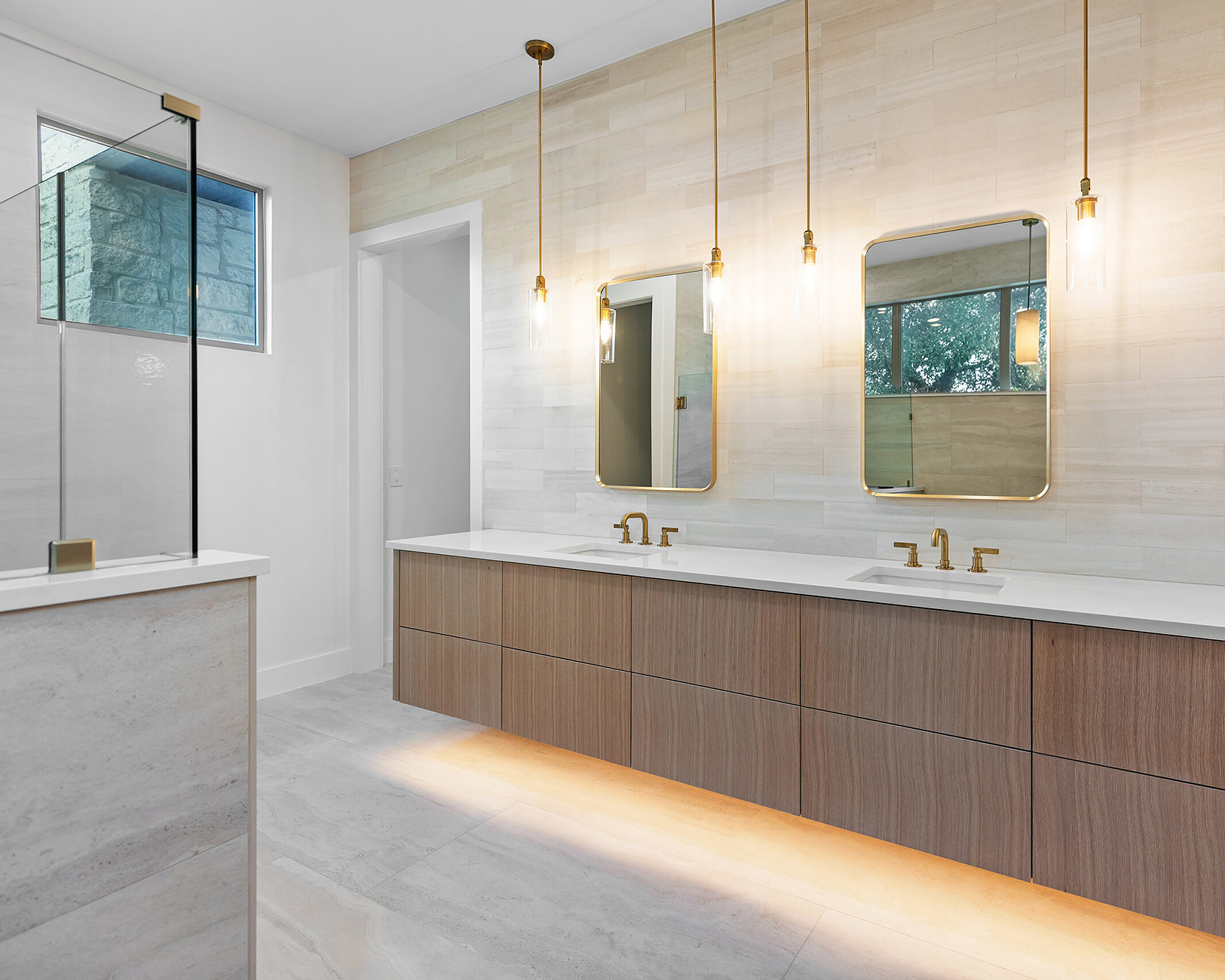
Why Texas Hill Country Property Owners Choose Texas Highlands Electric for Lighting Work
Lighting and ceiling fan work goes best when the install is planned around the room and the electrical system, not just the fixture. Texas Highlands Electric focuses on correct device selection for LED dimming, secure fan-rated mounting, safe wiring practices, and clear expectations on what’s included and what affects timeline or access. That reduces common issues like flicker, buzzing dimmers, nuisance trips, and fans that wobble because the mounting or box wasn’t handled correctly.
Related Electrical Services
Panel Service & Upgrades FAQs
If new lighting plans require added circuits, breaker space, or capacity review for major new loads.
Troubleshooting & Repairs FAQs
For flickering across multiple rooms, repeated breaker trips, dead outlets, or intermittent power that needs diagnosis before parts are replaced.
Construction & Remodel Wiring FAQs
For remodels where lighting layout, switch locations, and rough-in planning need to be done early to avoid rework.
Related Pages
Texas Highlands Electric FAQs
View general questions on estimates, scheduling, permits, and service areas.
Lighting & Fans
Lighting & Fans covers fixture upgrades, recessed lighting, dimmer and switch installs, ceiling fan wiring and mounting, and outdoor lighting so the finished result looks right and works reliably.
What to Do Next
For recessed lighting, fixture upgrades, ceiling fan installation, outdoor lighting, or dimmer and switch issues, call Texas Highlands Electric at (830) 431-4530 to schedule an evaluation and get a clear scope and timeline.