

Texas Hill Country
Generator Installation FAQs
Texas Highlands Electric provides Generator Installation for homeowners and property managers across the Texas Hill Country, including Bexar County, Kendall County, Kerr County, Bandera County, and Gillespie County, Texas. This page answers common questions about backup power options, transfer equipment, what circuits can be supported, and what affects installation scope and timeline.
Common Generator Installation Questions
What’s the difference between a whole-home generator and a portable generator setup?
A whole-home generator is typically installed as a permanent system tied into the home with transfer equipment and a planned set of loads. Portable setups are usually temporary and require safe connection methods. The right option depends on how much you want powered, how often you expect outages, and how you use the home.
What is a transfer switch and why is it needed?
A transfer switch is equipment that safely switches power sources between utility power and generator power. It helps prevent backfeed and protects the electrical system and utility workers. Transfer equipment is a core part of a safe generator installation.
What can I power during an outage?
That depends on generator size, load planning, and how circuits are prioritized. Many homeowners choose to power critical loads such as refrigeration, lights, internet, select outlets, and certain HVAC components. An on-site evaluation helps determine a realistic backup plan based on your home’s needs.
Can I run my entire house on a generator?
Sometimes, but it depends on the home’s electrical demand and the generator system design. Whole-home coverage requires proper sizing and load planning. Many properties do best with a prioritized approach that covers essentials reliably.
Do generator installations require permits and inspections?
Often, yes, depending on scope and local jurisdiction. Permit and inspection requirements should be confirmed during the estimate so scheduling and expectations are clear.
How long does a generator installation take?
Timeline depends on the system type, site readiness, and any permitting or inspection steps that apply. Some installs can move quickly once the scope is confirmed, while others require coordination and staged work. Your estimate should outline what to expect.
Where can a generator be installed?
Placement depends on access, clearances, and safe routing for the electrical tie-in. The best location is determined during an evaluation based on the property layout and installation requirements.
Do you install transfer switches for portable generators?
In many cases, transfer equipment can be installed to support safe portable generator connection, depending on the home’s electrical setup and the approach chosen. The goal is a connection method that is safe and planned, not improvised.
Will a generator installation require a panel upgrade?
Not always. Some homes have the capacity and space needed, while others require changes to support transfer equipment or additional circuits. If your panel is full or the service equipment needs updates, Panel Service & Upgrades may be part of the plan.
How do you size a generator for my home?
Sizing is based on what you want to power, starting loads, and how the system will be configured. A proper plan avoids undersizing that causes nuisance shutdowns and oversizing that adds cost without real benefit.
What does generator testing and turnover include?
After installation, the system should be tested to confirm transfer operation and load behavior. You should also know how the system operates, what maintenance is expected, and what to do if an outage occurs.
Can generator work be coordinated with a remodel or new construction?
Yes. Generator planning can be integrated into remodel or construction wiring so routing, panel configuration, and load priorities are considered early.
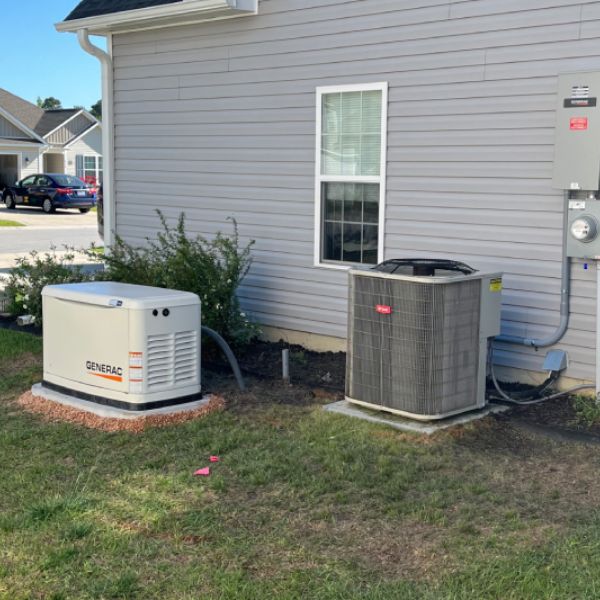
Why Texas Hill Country Property Owners Use Texas Highlands Electric for Generator Work
Backup power should be planned around how you actually live and what you need to keep running during an outage. Texas Highlands Electric focuses on clear scope, safe transfer equipment, and realistic expectations for what can be powered based on load planning and system capacity. During the estimate process, the goal is to define the backup plan clearly, identify any service equipment needs early, and avoid last-minute changes that delay installation.
Related Electrical Services
Construction & Remodel Wiring
For remodels or additions where backup power planning can be built into the electrical layout from the start.
Troubleshooting & Repairs FAQs
If you have existing power issues, tripping, or unreliable circuits, troubleshooting can identify problems before generator equipment is added.
Panel Service & Upgrades FAQs
If transfer equipment or new loads require more space or capacity, panel work may be part of the project.
Related Pages
Texas Highlands Electric FAQs
View general questions on estimates, scheduling, permits, and service areas.
Generator Installation
Generator installs typically involve service equipment review and transfer equipment planning that ties into the panel setup.