
11 Sep Do You Need an Electrical Panel Upgrade in Center Point
Many of the homes strung along the Guadalupe River through Center Point were built for a version of daily life that used a fraction of the power we plug in now. That original service was sensible for its time, but time is not always kind to an electrical panel. When the signs start showing up, whether trips that will not hold, lights that flicker under load, or warm spots on the cover, an electrical panel upgrade in Center Point may be the real answer rather than another repair.
The honest question is not whether to upgrade, but whether your current panel has anything left to give.
The Everyday Signs That Get Ignored
Panels do not fail dramatically. They fade. Symptoms build slowly enough that most households learn to work around them without ever naming the pattern.
A breaker that trips on the same summer afternoon every year. Lights dimming when the AC compressor kicks on. A cover plate that feels warmer than the rest. A layout crowded with tandem breakers and double-taps that got added over the years to squeeze in one more circuit. Any one of those signs is a message from the service that it is out of room.
Repeated Trips Point to the Whole Service, Not the Breaker
The most common misread is treating a repeat trip as a bad breaker. A modern breaker rarely fails on its own. When one keeps tripping, the circuit or the panel is telling you something has changed, usually that the total load has grown past what the service can carry. The reasoning is the same as behind a breaker that keeps tripping in summer, when heat and load pile onto a service that no longer has margin.
Why Older Center Point Homes Hit the Ceiling
A house wired forty years ago was fitted for the loads it was expected to carry then. A refrigerator, some lights, maybe a window unit, and not much else. Central air was not standard. The kitchen ran fewer appliances. Nobody was charging a car overnight.
Today the same house runs an HVAC system through Kerr County summers, a full kitchen of connected appliances, a home office or two, and often a garage full of chargers. The service was never designed for any of it, and every load added along the way has stacked on top of the last without anyone stopping to ask whether the panel could really keep up.
The Brand on the Panel Can Change the Answer
Not every old panel is dangerous, but a few brands installed decades ago carry documented histories that inspectors flag on sight. Federal Pacific Stab-Lok, Zinsco, and Challenger are the most common. Their breakers have a track record of failing to trip when they should, which defeats the safety layer the whole system relies on.
If your panel wears one of those labels, the decision to upgrade is not really about capacity. It is about the safety of everything downstream from it. Replacement is worth doing regardless of whether the panel is full.
What a Real Upgrade Changes
An upgrade is not just a new box on the wall. It is a full read of what the house actually asks for electrically and a new service sized to match, with room built in for what comes next.
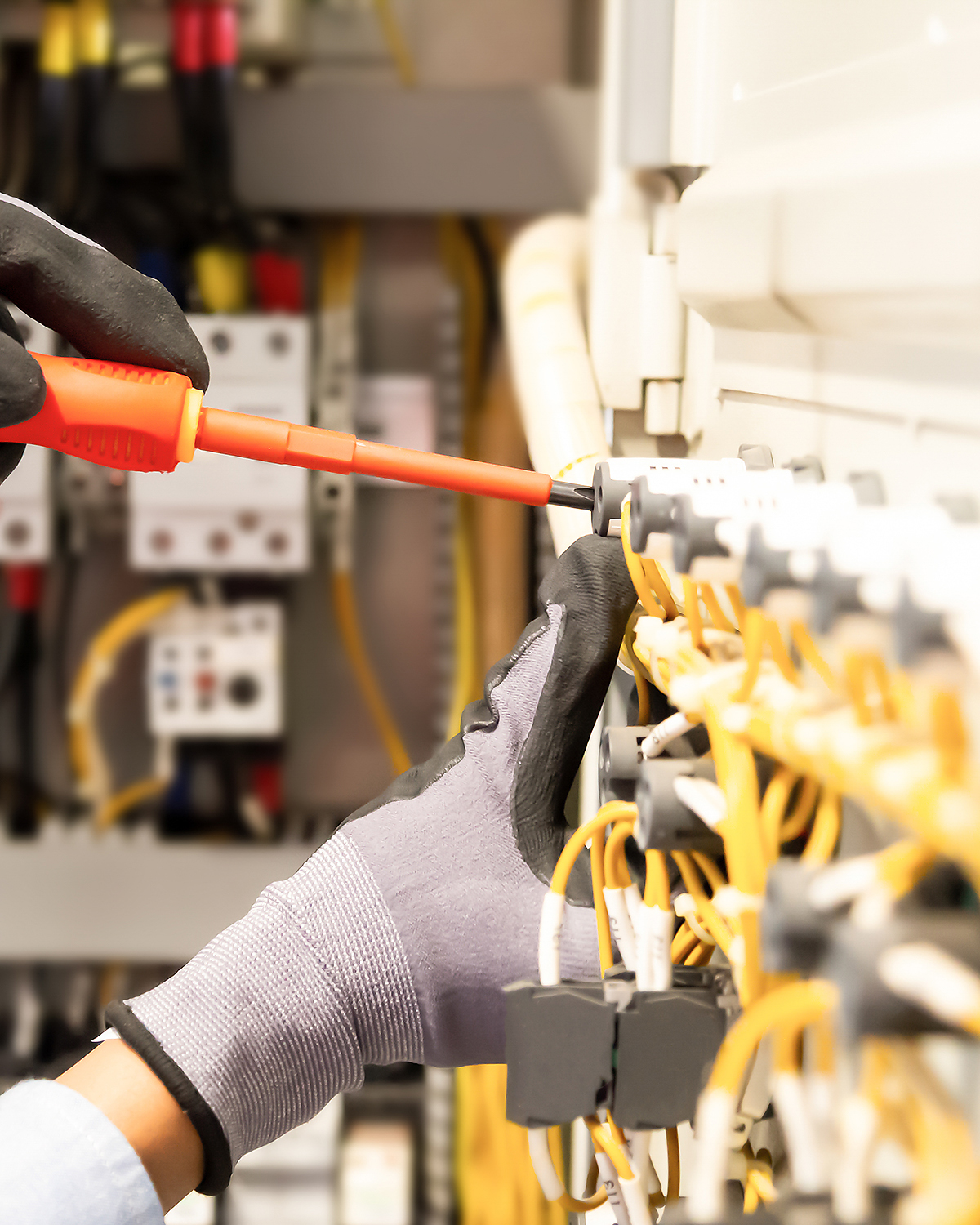
Depending on what the electrician finds, the work can range from swapping the panel and breakers to replacing the meter, the service mast, and the drop back to the utility. Grounding and bonding get brought up to current code in the process, which usually means fresh ground rods and a new water bond where those did not exist before. A load calculation drives the sizing, so the new service reflects a real number instead of a guess.
Where the Timing Really Matters
The cheapest time to upgrade is before the next major load gets added. An EV charger, a whole-home generator, or a big shop addition all pull hard on the same panel, and each is easier to permit and install when the service already has capacity. A Kerrville upgrade nearby went this route and gave the family clear runway for the additions they had been putting off.
What Happens on Install Day
Most panel upgrades wrap in a single working day, with power to the house down for the majority of it. Larger service changes that touch the meter and mast can stretch into a second visit. The utility gets scheduled in advance so the disconnect and reconnect happen cleanly, and the inspector visits before the utility restores service.
The result is a service that carries what the house asks of it without straining, and an electrical system you stop having to think about the next time you plug something in.
When Repair Is the Honest Answer Instead
Not every panel complaint calls for a full upgrade, and a good electrician will say so. Sometimes a single worn breaker, a specific bad connection, or one overloaded circuit is the real issue, and a targeted repair handles it cleanly.
Where the answer flips is when the panel itself is at the end of its life. At that point, patching is delaying a problem that is not going away, and it can leave the house living with hazards nobody asked for. A straight read matters here more than a big sale.
Talking to Us About a Center Point Panel
Texas Highlands Electric handles panel and service upgrades for homes throughout Center Point and the surrounding stretch of Kerr County. The work is sized for how you actually use the property and how you plan to use it next.
If you have been resetting breakers more than you like, watching the lights dim when the AC starts, or wondering if the panel is running on borrowed time, reach out to Texas Highlands Electric for an honest look and a written quote.