
21 Sep Home EV Charger Installation in Pipe Creek
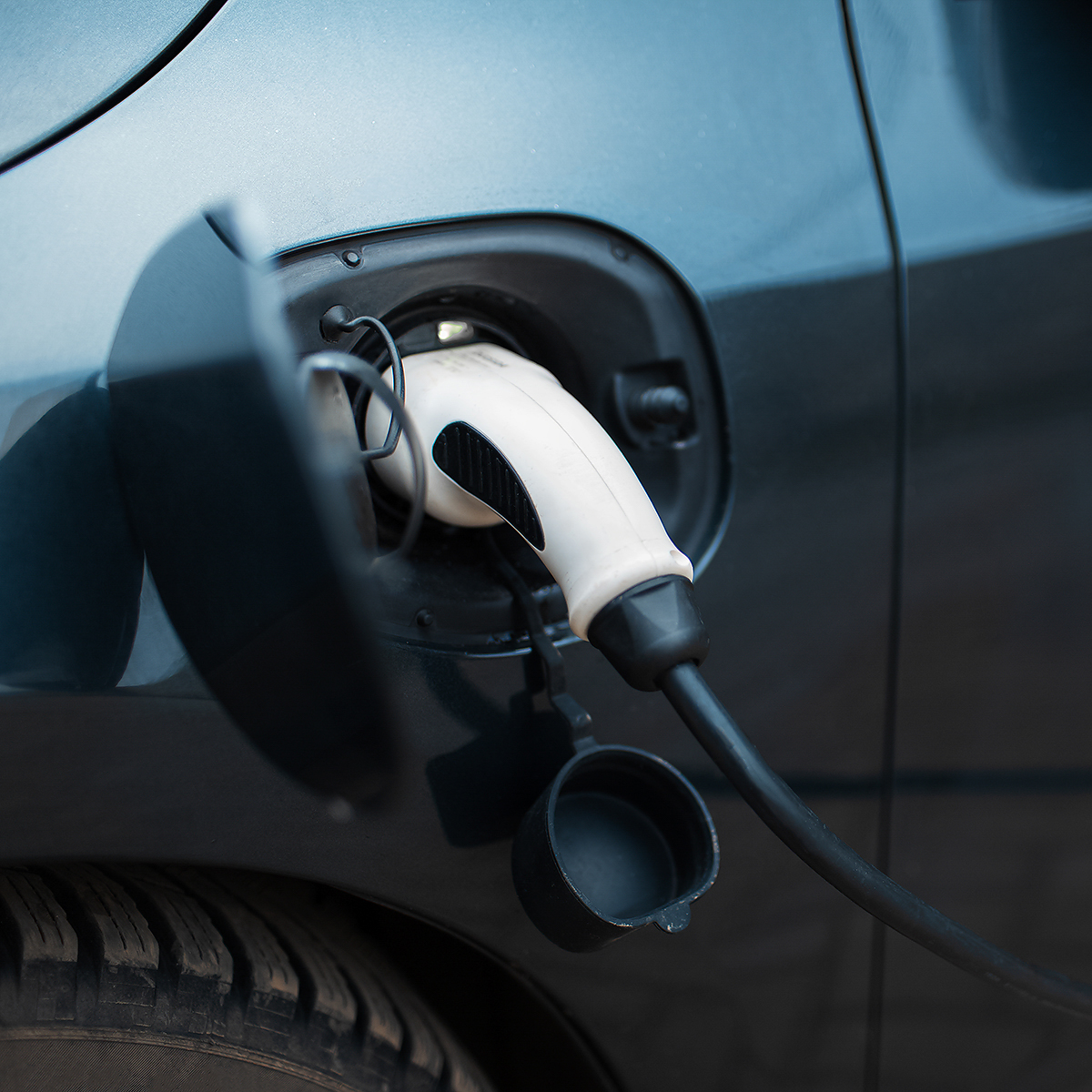
Pipe Creek homes sit far enough out that owning an EV means one thing above all: you charge at home, every night, without exception. There is no station on the corner. The car has to be ready to go in the morning because the nearest fast charger is a trip in itself. EV charger installation in Pipe Creek is worth getting right the first time because the charger is going to be one of the most-used appliances on the property.
The choices that make or break how well that daily rhythm actually works happen behind the wall, not at the checkout counter.
The Charger Is the Easy Part
Buying an EV charger takes a few minutes. Installing one properly is a completely different job. The unit is a piece of hardware you could unbox in ten minutes. The circuit that feeds it is licensed electrical work, and it is what actually decides whether the setup performs.
Homeowners who focus on picking a brand sometimes end up with a nice unit tied to a circuit that cannot feed it. The order is backwards, though it is the most common path to a home charger install.
Every Link in the Chain Sets a Ceiling
Charging speed is not set by the charger. It is set by the weakest link in a chain running from the main breaker in your panel to the plug on the car. Every link along the way can cap the rate.
The panel’s main breaker sets one ceiling. The dedicated circuit’s breaker and wire size set the next. The charger itself is configured to a maximum output during install. The car’s onboard charger sets the final one, though most modern EVs meet or exceed what a home Level 2 install delivers.
Practically, a 48-amp-capable charger on a 40-amp circuit only delivers 32 amps, because a continuous load has to stay at 80 percent of the circuit rating. The hardware is fully capable, and the wire is quietly holding it back.
Where Rural Panels Run Out of Room
A dedicated Level 2 charger is one of the largest continuous loads a rural home will ever run. It competes with the well pump, the AC, and any shop or barn already drawing off the same service. On many Pipe Creek properties, the panel is closer to its ceiling than the owner realizes.
An electrician runs a load calculation to answer the real question: how much of the panel’s capacity is committed, and how much genuinely remains for something new. The number decides whether the charger slots in as-is or whether a panel or service upgrade comes first. Cutting corners here is where the later problems come from.
Distance to the Parking Spot Matters
A Pipe Creek garage rarely sits ten feet from the main panel. It might be forty feet, or in a detached structure across a driveway, or in a shop building on its own foundation. That distance changes both the wire size and the cost more than most homeowners expect.
Voltage drops over long runs, and a run built without accounting for it leaves the charger seeing less voltage than it needs to hit its rated output. That looks exactly like slow charging with no obvious cause. Sizing the conductors to the run is what keeps the charging speed honest.
Detached Buildings Sometimes Get a Subpanel
When the parking spot is in a shop or a barn, the cleaner answer is often a subpanel closer to where the load lives rather than a long feeder from the main service. This keeps the run efficient and leaves capacity for other loads out there, like a compressor or shop tools. A Kerrville install nearby went this direction and gave the family clean power out to the parking area without forcing everything back to the house panel.
The Second Vehicle Question
Households that add one EV tend to add a second within a year or two. Sizing the work for just the first can mean coming back to the same panel to make room for the second, which is more expensive than doing it right the first time.
The smarter move is to have that conversation up front. Even if the second charger does not go in today, the service can be sized and the wiring roughed in so it drops into place when the day comes. Some newer chargers also support load-sharing, letting two units share a single circuit intelligently, which is worth designing around when multiple vehicles are in the picture.
Slow Charging and Trip Trouble
Two problems come up over and over with EV installs that skipped a step. A charger that crawls for hours and never seems to fill the car is usually capped by an undersized circuit or by voltage drop on a long run. A charger that trips its breaker mid-session is usually running on a circuit that was not sized for continuous load.
The fix in each case is correct sizing, not a bigger breaker on the same wire. Overriding a trip that way trades slow charging for a real safety issue, and it never solves the underlying problem.
Getting the Circuit Ready for Inspection
Every EV charger circuit is inspected work. It has to meet code on conductor sizing, breaker rating, the disconnect where one is required, and how the circuit ties into the panel. It also has to hold up under the continuous load rules that apply specifically to charging.
An electrician who installs chargers regularly knows what inspectors look for and gets the sign-off on the first visit. That familiarity is the difference between a charger that turns on when it should and one sitting idle while corrections work their way through.
Talking to Us Before You Buy a Charger
Texas Highlands Electric handles EV charging for homes throughout Pipe Creek and Bandera County, from a single dedicated circuit to the subpanel and service work behind it. If you are planning a charger, already fighting slow charging, or trying to figure out whether your panel can even support the unit you are considering, reach out to Texas Highlands Electric for an assessment and a written quote.